Strokestown Famine Museum: Your First Day on the National Famine Way
Every National Famine Way holiday we run begins in the same place. Not on a trail, but in a museum. Before you walk a single kilometre, you spend a day at Strokestown Park in County Roscommon.
There is a good reason. The Strokestown Famine Museum, officially the National Famine Museum, holds the papers that make this whole trail possible. Once you have seen them, the walk to Dublin stops being a canal stroll. It becomes a journey with names and faces. Here is our guide to the museum, with tickets, opening times, and what to see on your first day.
Why the National Famine Way starts here
In 1847, the Strokestown estate belonged to Major Denis Mahon. That spring, during the worst year of the Great Famine, he offered to pay the passage of tenants who would leave for Canada.
That summer, 1,490 people left the estate. They walked about 165 km to Dublin, mostly beside the Royal Canal. From Dublin they sailed to Liverpool, and from Liverpool to Quebec. Many never arrived.
We know their story because the estate kept its papers. The Strokestown Park Archive holds eviction notices, estate records and letters from tenants. It is one of the most important Famine archives in Ireland, and the museum is built around it.
What you will see at the Strokestown Famine Museum
The visit has four parts. You can see one or all of them, depending on your ticket.
- The National Famine Museum. This is the heart of the visit. It tells the story of the Famine through the estate's own documents. You see both sides: the big house and the cabins. Audio guides are available.
- Strokestown Park House. A grand country house, seen on a guided tour. The contrast between this house and the lives of the tenants is part of the lesson.
- The Victorian Walled Garden. A peaceful place to sit after the museum.
- The Serpentine Woodland. Trails through the estate woods.
Do not miss the glass memorial wall. It lists the names of all 1,490 emigrants, from about 275 families in 32 townlands. The names come straight from the archive. Look for a surname you know. This wall is the official start of the National Famine Way.
Strokestown Famine Museum tickets and prices
These are the prices listed for 2026. Children under five go free.
| Ticket | What it includes | Adult | Child (5 to 17) |
|---|---|---|---|
| Full ticket | House tour, museum, walled garden and woodland | €20 | €11 |
| Combination | Museum, walled garden and woodland | €16 | €8.50 |
| Museum only | National Famine Museum | €9 | €5 |
| Gardens and woodland | Walled garden and woodland | €9 | €5 |
Family and concession tickets are also available. Book the full ticket ahead, because the house tour runs at set times. You do not need to book the museum alone.
Opening hours
- February to May, and September to October: daily, 10.30 to 17.00. House tours at 12.00 and 14.00.
- June to August: daily, 10.00 to 17.30. House tours at 12.00, 14.00 and 15.30.
- November to January: daily, 10.30 to 16.00. House tours at 12.00 and 14.00.
The Woodland Café is open daily from 10.30 to 17.00. One note for autumn 2026: the woodland closed from 20 September, so check whether it has reopened before you go. Hours and prices can change, so always check the Strokestown Park website before your visit.
How long to allow
Give it half a day if you want the house tour, the museum and the gardens. The museum is full of letters and records worth reading, so do not rush it.
On our holidays, day one is set aside for Strokestown. You arrive, settle into your room, and spend the afternoon at the park. There is no walking that day. On our 13 day holiday, you have time for the house, the walled garden and the woodland too.
Collect your Famine Way Passport
Before you leave Strokestown, pick up your Famine Way Passport. It is the official walker's guide to the trail. You collect stamps along the route and receive a certificate at the end in Dublin.
The pack also includes a ship ticket for one of the real families who left in 1847. As you walk, you find out what happened to them. It turns a list of names into a family you follow all the way to the coast.
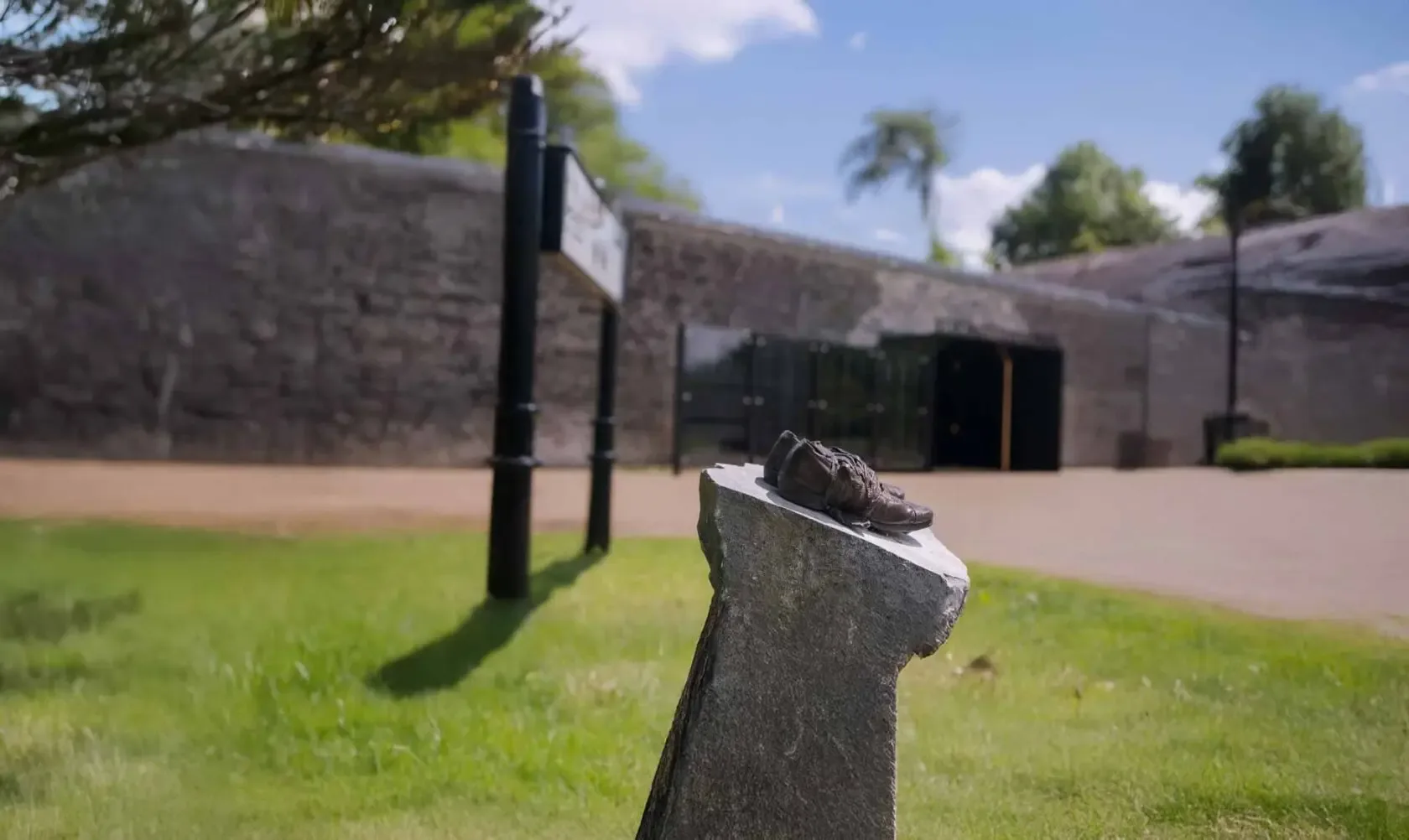
Look out for the bronze children's shoes too. Over 30 pairs mark the trail, each telling part of the story of twelve year old Daniel Tighe. Read more in our post on the National Famine Way shoe stories.
Getting to Strokestown
Strokestown is in County Roscommon, about two and a half hours by car from Dublin. Bus Éireann serves the town. The park's address is Strokestown, Co. Roscommon, F42 H282.
If you are walking with us, we send you clear arrival directions with your travel pack.
The next morning: the walk begins
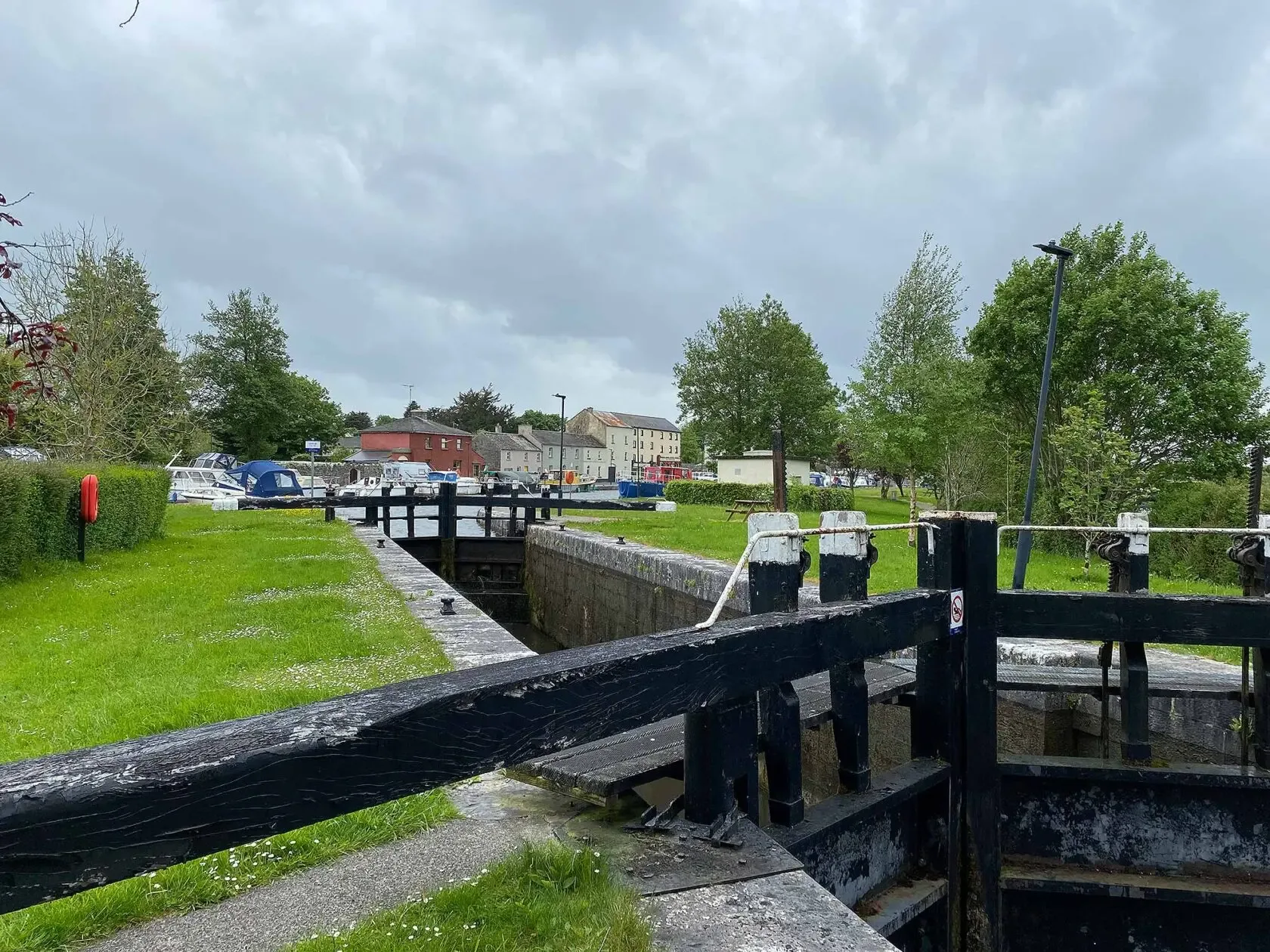
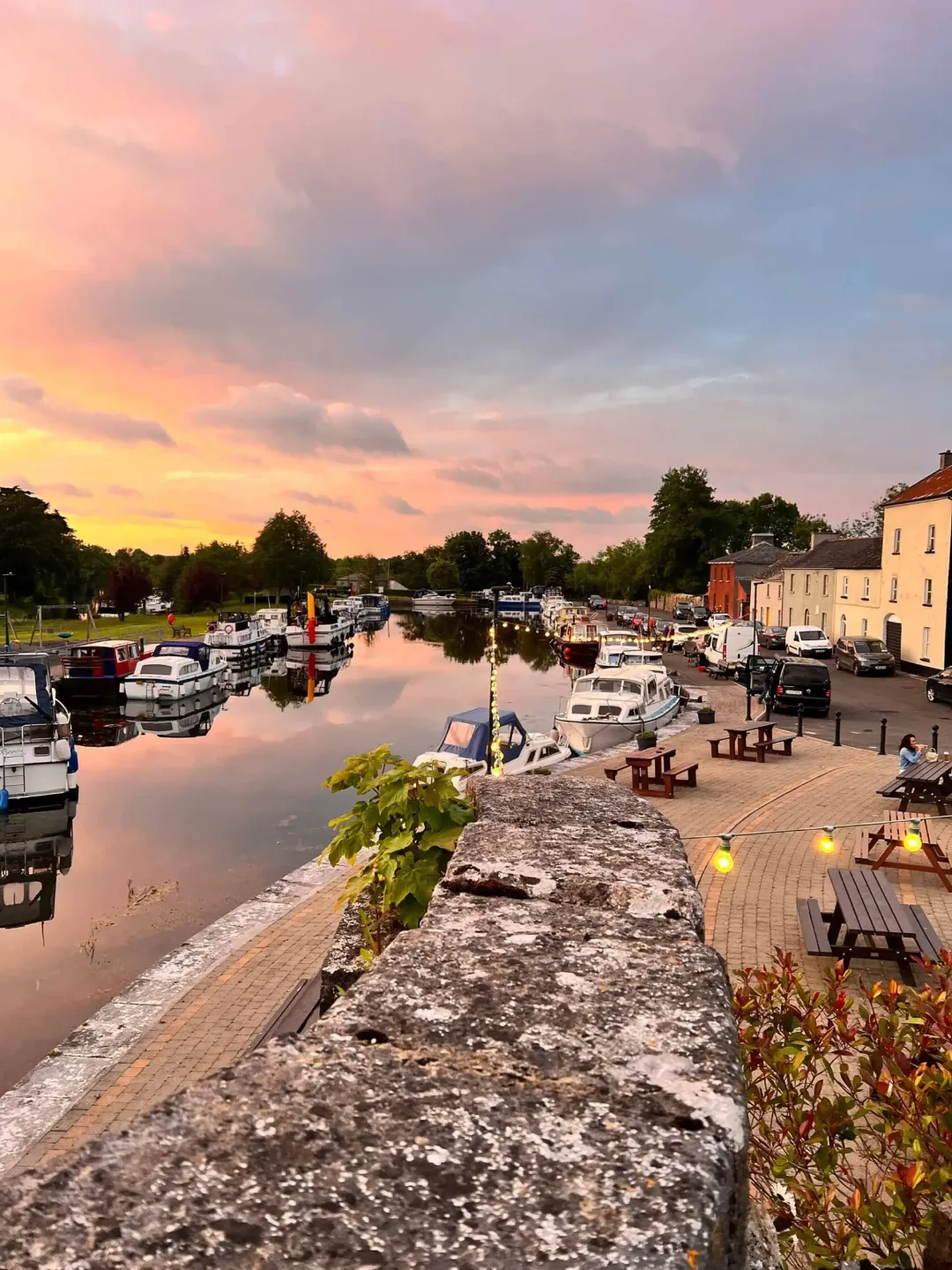
From the Strokestown Famine Museum, the trail follows quiet country roads south and west to the River Shannon. These are the same roads the 1,490 walked. After about 20 km you reach Richmond Harbour at Clondra, where the Royal Canal begins. From there, the towpath runs level all the way to Dublin.
Short on time? Our 6 day walk from Strokestown to Mullingar covers the western half of the trail. You can come back for the eastern half another year. To see all the options, read our guide to choosing your Famine Way itinerary, or visit our National Famine Way page.
Frequently asked questions
Where is the National Famine Museum?
The National Famine Museum is at Strokestown Park in Strokestown, County Roscommon, about two and a half hours by car from Dublin.
How much does the Strokestown Famine Museum cost?
A museum only ticket costs €9 for adults and €5 for children aged 5 to 17 (2026 prices). A full ticket with the house tour, gardens and woodland costs €20 for adults.
How long do you need at Strokestown Park?
Allow half a day to see the museum, the house tour and the gardens without rushing.
Does the National Famine Way start at Strokestown Park?
Yes. The trail starts at the glass memorial wall at Strokestown Park, which lists the names of the 1,490 emigrants of 1847. It ends 165 km later on the Dublin quays.