The Missing 1,490: The Strokestown Famine Walk of 1847
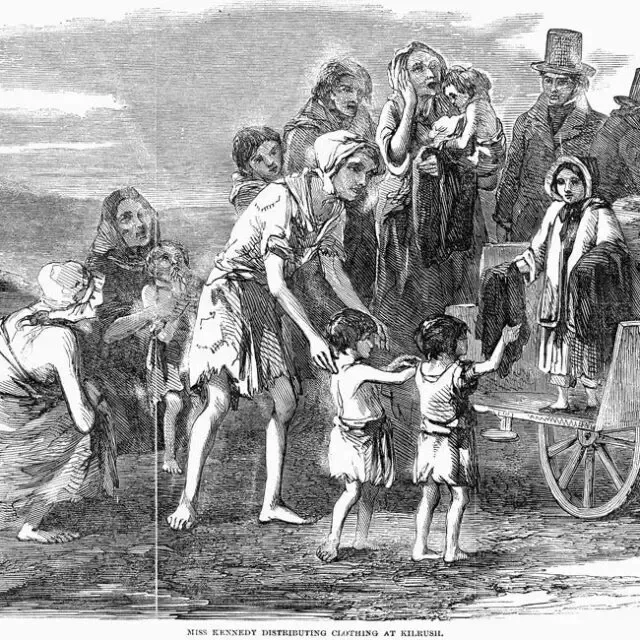
In the summer of 1847, a long line of people left Strokestown in County Roscommon and walked east. There were 1,490 of them. Most were children. They walked along country roads and then beside the Royal Canal, all the way to the Dublin quays.
Today they are known as the Missing 1,490. Their walk is the reason the National Famine Way exists. This is their story, from the estate they left to the places their descendants live today. If your family came from Roscommon, or arrived in Canada in 1847, it may be your story too.
Black '47 on the Strokestown estate
By 1847, the potato blight had struck Ireland for the third year. That year is still remembered as Black '47, the worst of the Great Famine. In Roscommon, as across the west, families who lived on potatoes had nothing left to eat and nothing to pay the rent with.
The Strokestown estate belonged to Major Denis Mahon. In April 1847, he agreed to pay the passage of tenants to Quebec, in what was called an assisted emigration scheme. For the tenants, the choice was hard. Stay, and face eviction and hunger. Or go, and leave everything they knew.
The Missing 1,490 came from about 275 families in 32 townlands around Strokestown. Around two thirds of them were children.
The walk to Dublin
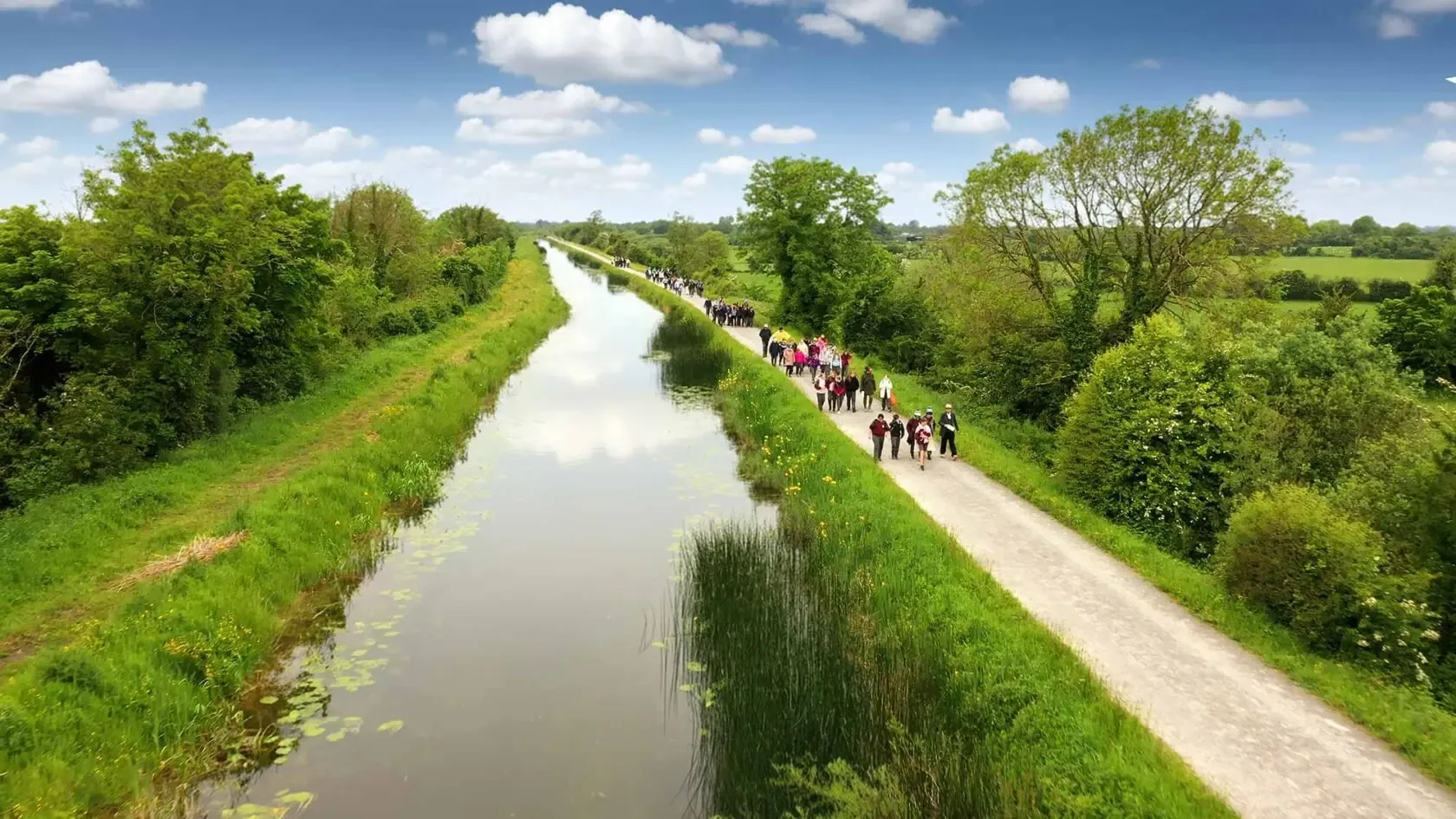
The families set out on foot. They carried what they could. Their route took them down to the River Shannon, then east along the towpath of the Royal Canal, through Longford, Westmeath, Meath and Kildare. In all it was about 165 km, or close to 100 miles.
They passed harbours, locks and canal villages that you can still see today. At last they reached the Dublin quays, where boats waited to take them across the Irish Sea to Liverpool.
The four ships
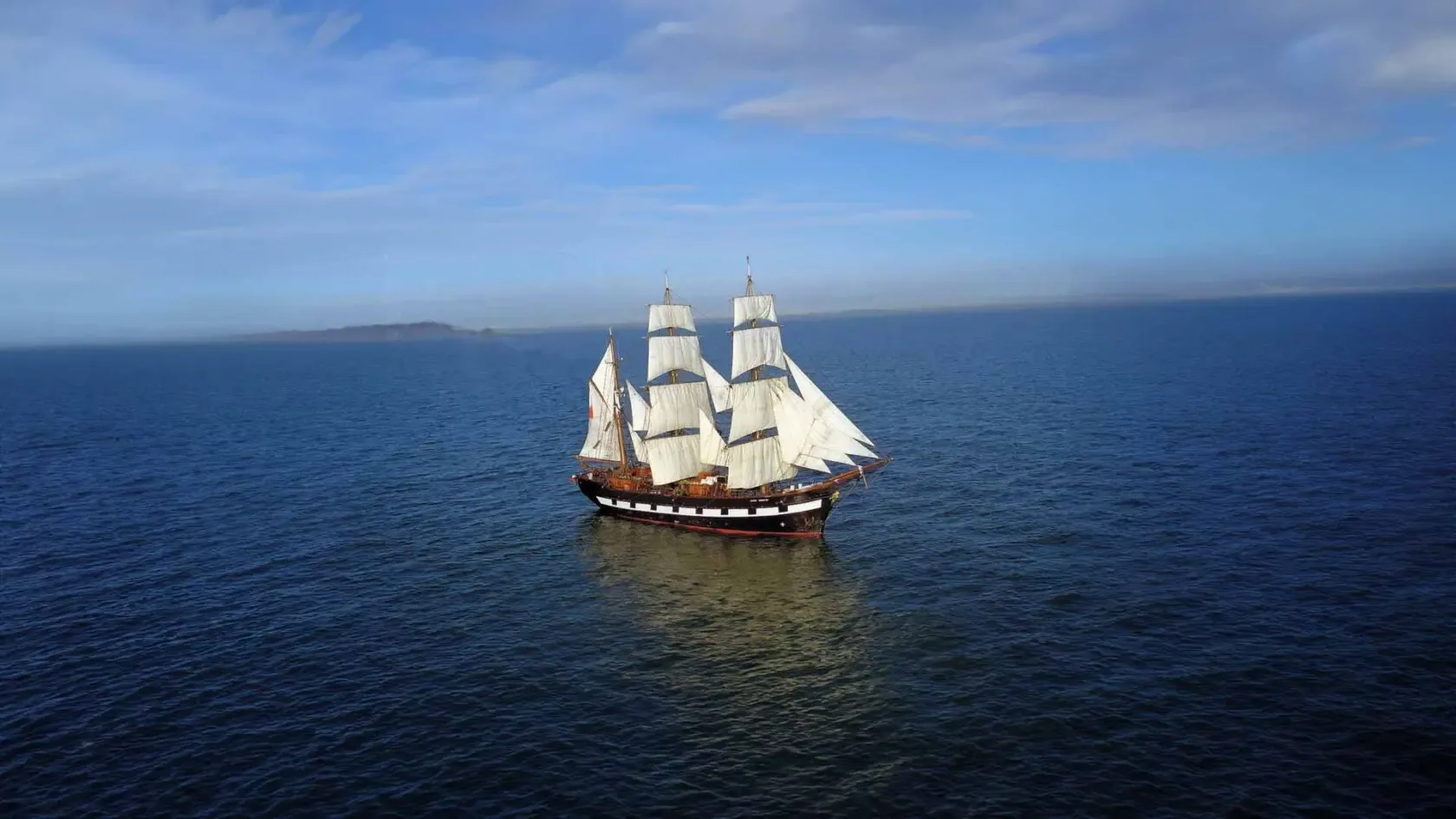
In Liverpool, the Strokestown emigrants were put aboard four sailing ships bound for Quebec:
- the Virginius
- the Naomi
- the Erin's Queen
- the John Munn
Ships like these became known as coffin ships. They were crowded, with little food and no clean water. Typhus, then called ship fever, spread quickly below deck. Whole families fell ill together.
The Virginius suffered worst. A study by the University of Notre Dame counts 221 verified Strokestown deaths from that ship alone. On the Naomi, 126 died. Among them was the mother of a twelve year old boy called Daniel Tighe, whose story is now told along the trail. You can read it in our post on the National Famine Way shoe stories.
Grosse Île
Ships arriving in Quebec had to stop first at Grosse Île, a quarantine island in the St Lawrence River. In 1847 it was overwhelmed. Its hospital was built for 150 patients. By early June, around 21,000 emigrants were on the island.
The memorial on the island records 5,424 people who died there in 1847, most of them Irish. A tall Celtic cross was raised on the island's highest point in 1909. Today Grosse Île is a National Historic Site of Canada, known as the Irish Memorial.
For the Missing 1,490, the cost was terrible. The Notre Dame study estimates that more than a quarter of them died at sea or in quarantine, around 400 people. These are careful estimates, built from ship lists and estate records, and the true number may never be known.
Where the survivors went
Those who survived scattered across North America. Researchers have traced many of them.
- Ontario: farms in Huron, Perth, Middlesex and Grey counties, and work on the Welland Canal in the Niagara region.
- Quebec: Montreal, and rural parishes where some orphaned children were taken in by local families.
- Toronto, where Rowan Gillespie's Arrival statues now remember the famine Irish who landed.
- The United States: New York above all, and also Pennsylvania, Ohio, Illinois, Missouri and New Orleans.
For many families, the trail goes cold. Their names are on the estate lists in Strokestown, and then the record falls silent. That is part of why they are called missing.
Back in Strokestown
The story has a dark ending at home too. On 2 November 1847, Major Denis Mahon was shot dead near Strokestown. It remains part of the history told at Strokestown Park today.
How the Missing 1,490 are remembered
For a long time this story lived mainly in the estate archive. Now it is told in several ways:
- The National Famine Museum at Strokestown Park tells the story through the estate's own papers.
- A glass memorial wall at Strokestown Park lists the names of all 1,490 people.
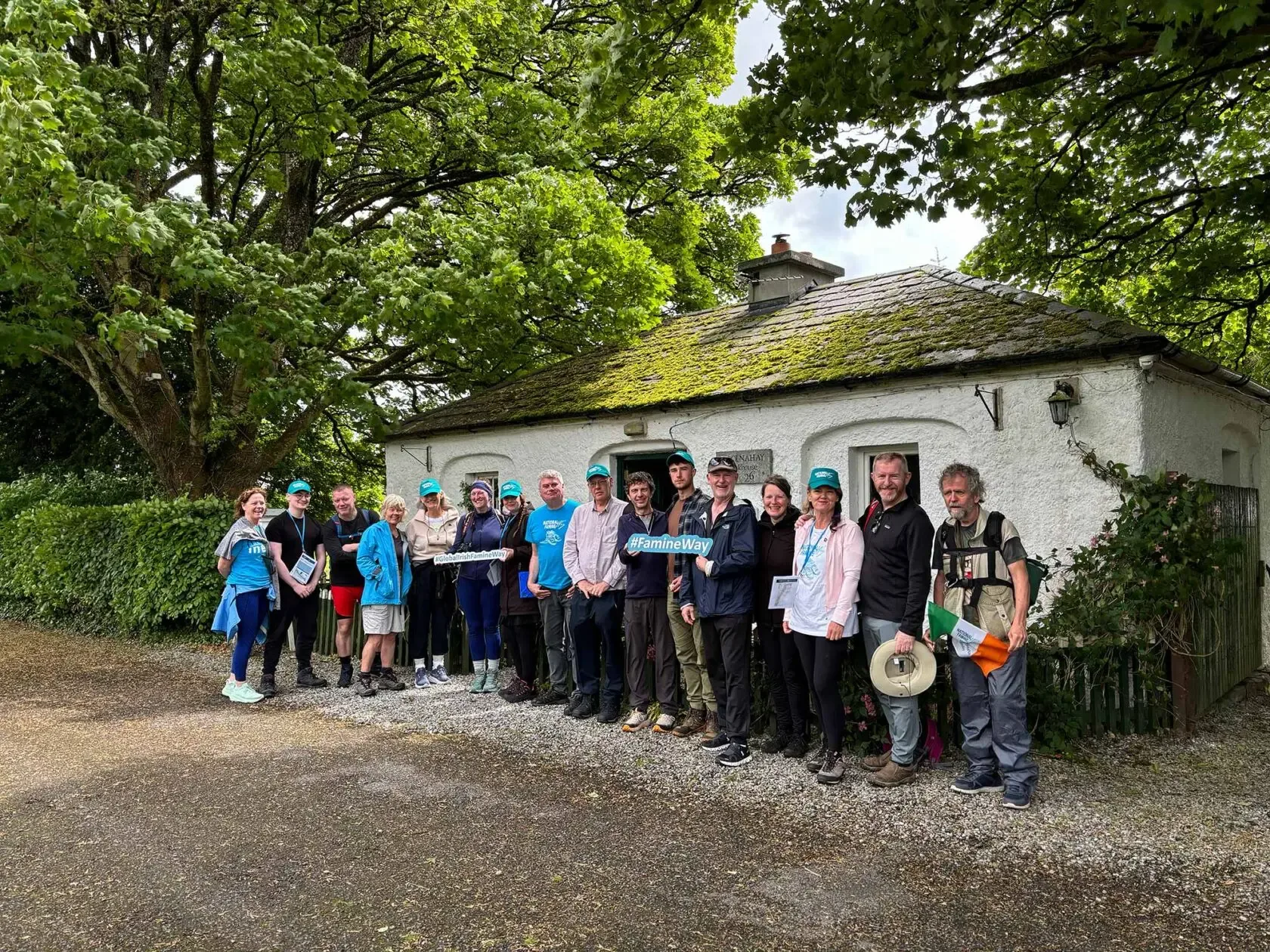
- The National Famine Way, opened in 2020, follows their route from Strokestown to Dublin. Over 30 pairs of bronze children's shoes mark the way.
- The Global Irish Famine Way now places bronze shoes in Canada and the United States, where the emigrants landed.
Could one of the Missing 1,490 be yours?
If your family has roots in Roscommon, or ancestors who reached Quebec or Ontario in 1847, it is worth asking. The names on the memorial wall come straight from the Strokestown Park Archive. Researchers at the University of Toronto have also worked to trace the families who arrived in Canada.
The National Famine Way adds its own touch. The official walker's pack includes a ship ticket in the name of one of the real families. As you walk, you learn what happened to them.
Walk in their footsteps
There is no better way to understand the Missing 1,490 than to walk their route. You start at the museum where their names are kept. You follow the same roads to the Shannon and the same towpath to Dublin. You finish on the quay where they boarded the boats.
Our 8 day National Famine Way holiday covers the whole route in six walking days. If you would like a gentler pace, read our guide to choosing your Famine Way itinerary. Start with our guide to Strokestown Park, and see the end of the road in Famine Memorial Dublin.
For more on how the Famine shaped the land itself, read about the Famine roads of Ireland. And find every holiday on our National Famine Way page.
Frequently asked questions
Who were the Missing 1,490?
They were 1,490 tenants from about 275 families on the Mahon estate at Strokestown, County Roscommon. In 1847 they walked to Dublin and sailed via Liverpool to Quebec under an assisted emigration scheme.
Which ships did the Strokestown emigrants sail on?
They sailed from Liverpool to Quebec on four ships: the Virginius, the Naomi, the Erin's Queen and the John Munn.
How many of the Missing 1,490 died?
A University of Notre Dame study estimates that more than a quarter, around 400 people, died at sea or in quarantine at Grosse Île. The true number is not known.
Can you walk the route of the Missing 1,490?
Yes. The National Famine Way follows their 165 km route from Strokestown Park to the Dublin quays, mostly along the Royal Canal towpath.